Phone / WhatsApp: +256 783 863 481.Email: info@makoporontwalasafaris.com

The Ultimate Travel Guide to Visiting Uganda

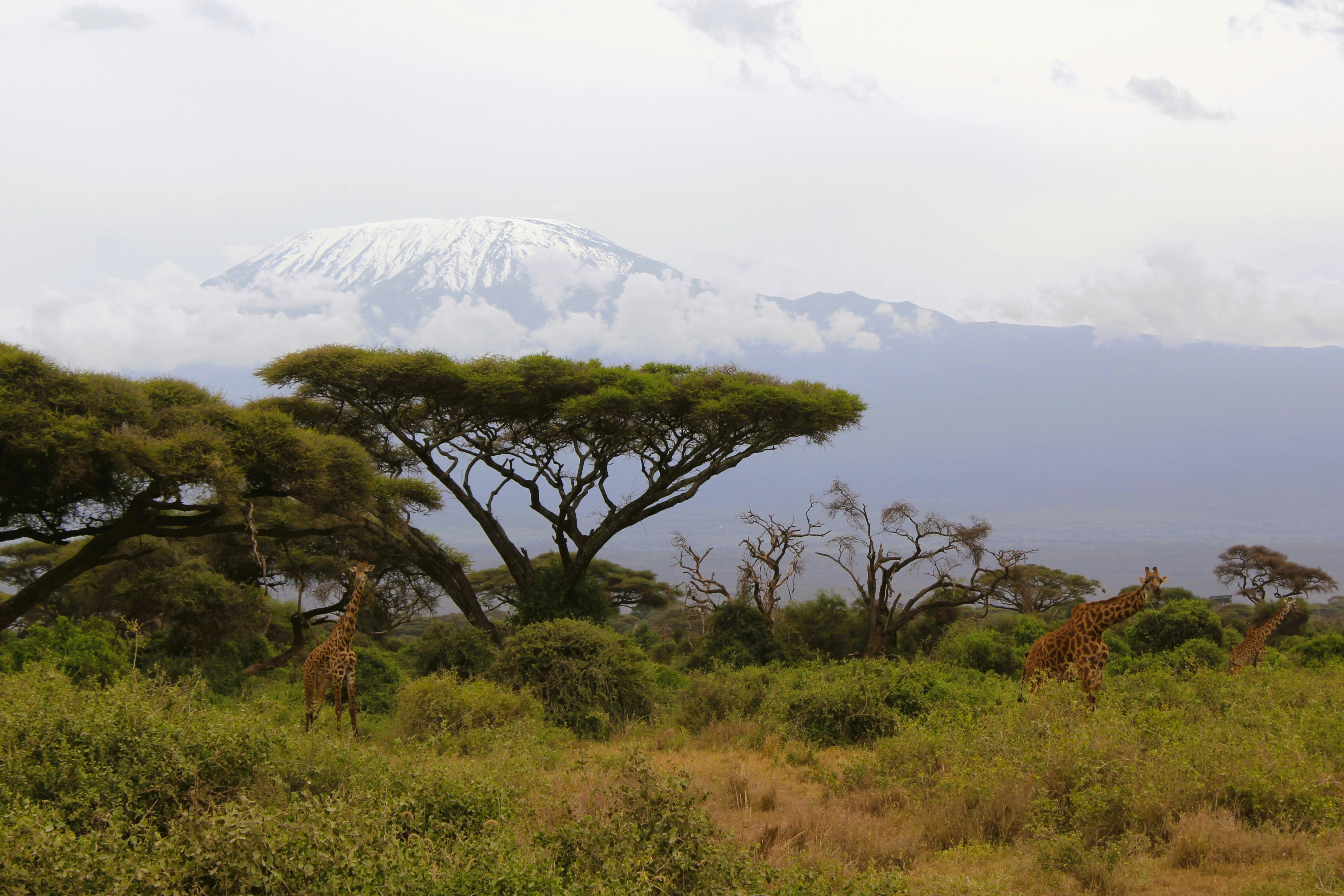
Understanding Uganda’s Seasons
Uganda, often referred to as the “Pearl of Africa,” boasts a diverse climate that caters to various travel preferences throughout the year. The country’s geographical position, near the equator, results in a predominantly tropical climate characterized by two main seasons—wet and dry. Understanding Uganda’s seasons can significantly enhance travel planning and experiences.
The year in Uganda can be divided into four distinct seasons. The first is the long rainy season, which typically occurs from March to May. During this time, travelers can expect significant rainfall, particularly in the western regions. Temperatures during these months range from 15°C to 25°C (59°F to 77°F), with the highlands experiencing cooler weather. This season is pivotal for the country’s agriculture and fosters lush landscapes, making it an excellent time for those interested in photography and witnessing the vibrant flora.
The second season is the dry spell, spanning from June to August. These months are characterized by lower humidity and less rainfall, making them ideal for outdoor activities such as trekking in the stunning Bwindi Impenetrable Forest or visiting the Murchison Falls National Park. Temperatures during this period rise slightly, typically between 20°C to 30°C (68°F to 86°F). As the dry season continues, wildlife becomes more visible as animals congregate around water sources, thus enhancing wildlife viewing opportunities.
Following the dry spell, the second wet season occurs from September to November. Similar to the first rainy season, this period brings intermittent but heavy rainfall. Travelers may experience daytime temperatures in the range of 18°C to 28°C (64°F to 82°F). This season, while presenting some challenges in terms of accessibility, provides unique opportunities to observe the rich biodiversity around national parks.
Finally, the Christmas season, from December to February, ushers in another drier phase. This period is marked by warm and sunny days, making it a popular time for both local and international travelers looking to enjoy Uganda’s outdoor activities, including gorilla tracking and boat rides on the Nile River.
In summary, Uganda’s climate is defined by a rhythm of wet and dry seasons, each presenting unique characteristics. Understanding these seasonal shifts is crucial for prospective visitors to make informed decisions about their travel plans and activities during their stay in this beautiful country.
Optimal Dry Seasons for Adventure
Uganda is renowned for its diverse landscapes and rich wildlife, making it a top destination for adventure travelers. To fully appreciate the country’s offerings, understanding the climate is essential, particularly the dry seasons. These periods, characterized by minimal rainfall, provide visitors with optimal conditions for engaging in various outdoor adventures such as gorilla trekking, wildlife safaris, and hiking.
The two main dry seasons in Uganda occur from December to February and from June to August. During these times, the chances of encountering heavy rains are significantly reduced, allowing for more predictable travel plans and enjoyable experiences in the great outdoors. Rainfall can affect the accessibility of certain areas, particularly the national parks, where muddy trails may lead to challenging conditions for trekking. Therefore, visiting during these optimal dry seasons greatly enhances the likelihood of a successful wildlife viewing experience.
In December to February, Uganda transitions into a dry period following the short rains. This time is particularly advantageous for those seeking to observe the vibrant wildlife that flourishes after the wet season. Animals are more visible, as they tend to congregate around water sources. Moreover, this season coincides with the holiday period, which sees an influx of tourists. Consequently, early bookings are recommended to secure accommodation and permits, especially for activities like gorilla trekking.
The subsequent dry season from June to August provides another splendid opportunity for visitors. During these months, temperatures are generally cooler, and the weather is pleasantly dry, making it an ideal time for outdoor excursions. Wildlife migrations can be witnessed, and the clear skies enhance the breathtaking views Uganda has to offer.
In conclusion, timing a visit to Uganda during its dry seasons can significantly enrich the travel experience. By choosing to embark on adventure during these months, travelers are more likely to enjoy optimal conditions for wildlife interactions and breathtaking scenery, making the most of their time in this remarkable country.
Exploring Uganda’s Wet Seasons
Uganda is renowned for its breathtaking landscapes, and visiting during the wet seasons offers a unique perspective on the country’s natural beauty. The rainy periods, which generally occur from March to May and again from September to November, bring about a transformation that turns the countryside into a lush paradise. This season is characterized by vibrant greenery, blooming flora, and a more vivid, lively atmosphere that can enhance the experience of every traveler.
One of the most significant advantages of visiting Uganda during its wet seasons is the opportunity for spectacular birdwatching. The rains stimulate the growth of various plants and attract a diversity of bird species, many of which are unique to the region. Enthusiasts can witness migratory birds arriving while the colorful, local species become more conspicuous amidst the flourishing landscape. This vibrant avian activity makes Uganda a prime destination for both amateur and seasoned birdwatchers alike.
In addition to birdwatching, the wet seasons present excellent photography opportunities. The lush green hills, sparkling waters, and dramatic skies create a striking backdrop for photographs. Nature enthusiasts will revel in the vibrant colors that come alive during this time, making it a perfect moment to capture the essence of Uganda’s landscapes. The newly sprouted foliage and wildlife behavior during the rains provide not just incredible scenic views but also ensure that every photograph tells a captivating story.
However, it is essential to note that the wet seasons may also lead to challenging travel conditions, such as slippery roads and higher humidity levels. Thus, preparing adequately for these conditions is advisable to ensure a smooth experience. Travelers should consider appropriate clothing and gear, such as rain jackets, sturdy footwear, and waterproof bags for their equipment.
In conclusion, exploring Uganda during the wet seasons reveals a vibrant, transformed landscape that offers unparalleled birdwatching and photography opportunities. For those who embrace the rains, Uganda presents a rich tapestry of flora and fauna, making it a destination worth considering at this time of year.
Wildlife Encounters Throughout the Year
Uganda is renowned for its remarkable wildlife, offering visitors an extraordinary opportunity to witness diverse species in their natural habitats. Understanding the seasonal highlights of wildlife encounters is essential for travelers planning their visit. Different times of the year present unique opportunities to view animal behaviors, migrations, and breeding patterns.
From January to March, wildlife viewing is particularly vibrant in Uganda. This period, often referred to as the dry season, allows for easier sighting of animals as they congregate near water sources. Notably, this is the best time to explore Murchison Falls National Park, where visitors may observe elephants, lion prides, and diverse bird species in flourishing conditions. Birds such as the shoebill stork are also more active during this season, making it a prime time for birdwatchers.
The months of April to June mark the onset of the rainy season, yet this brings an invigorating burst of life, especially for plant and animal species. While fewer tourists might venture out, this is actually a fabulous window for travelers to observe the lush green landscape and witness migratory birds returning for breeding. Parks like Bwindi Impenetrable National Park offer exciting opportunities to see mountain gorillas, as they are usually found in more accessible areas during this period.
July to September signifies a peak season in Uganda. With the weather more favorable, concentrations of wildlife can often be spotted during game drives in Queen Elizabeth National Park. Additionally, the international migration of zebra and wildebeest occurs here, creating breathtaking scenes for wildlife enthusiasts. This time also coincides with various chimpanzee activities in Kibale National Park, where visitors can engage in tracking excursions.
As the year comes to a close, from October to December, the landscape transforms yet again, offering rich opportunities for travelers. During this interval, many animals, especially in the wetlands, engage in breeding behaviors. This end of the year period is also recognized for the exceptional viewing of hippos and crocodiles in their natural habitats. Seasoned travelers highlight that experiencing Uganda’s unique wildlife events is a revelation.